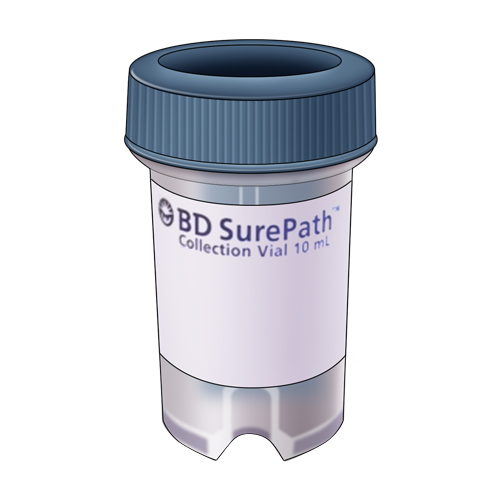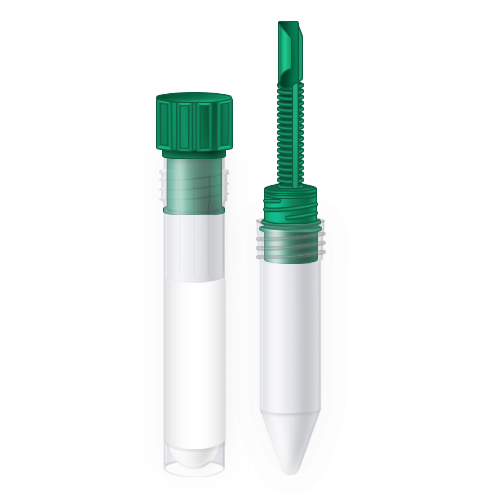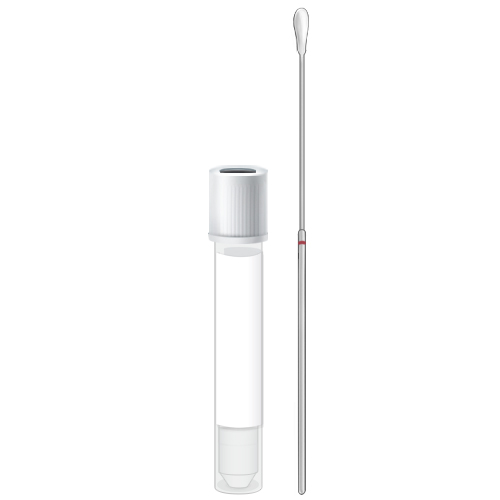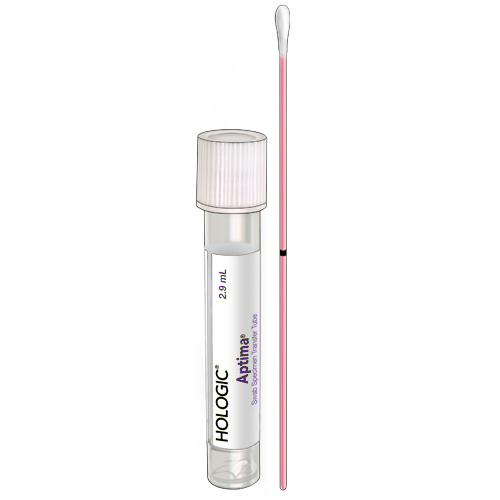
National Women’s Health Month, an annual initiative led by the U.S. Department of Health and Human Services, serves as a critical reminder for healthcare organizations, payers, and provider networks to evaluate how well their programs support women’s preventive care. As a trusted laboratory provider to healthcare providers and health systems, BioReference® is committed to helping organizations close care gaps, improve clinical outcomes, and advance women’s health through innovative diagnostic solutions.
Understanding the diseases most prevalent in women and the diagnostic tools available to detect and monitor them is essential for healthcare leaders building effective population health strategies. Below, key conditions impacting women are outlined and the evidence-based approaches that can support patients and providers.
Actionable Health Behaviors
Educating patients and enabling care teams to counsel women on preventive behaviors remains one of the greatest interventions available to health systems. BioReference supports evidence-based recommendations for women’s health from the American Heart Association:
- At least 150 minutes of moderate physical activity weekly
- Nutrition guidance emphasizing whole grains, fruits, and vegetables
- A consistent sleep of at least seven hours per night
- Counseling on safe behaviors, including smoking cessation and sexual health
- Annual wellness visits with up-to-date preventive screenings and vaccinations
Beyond behavioral interventions, healthcare providers and patients can benefit from laboratory collaborations that streamline preventive screening workflows and deliver actionable insights at the point of care. Open, collaborative conversations between patients and their care teams – supported by robust diagnostic data – are essential to individualized health management.
A Critical Population Health Priority
In healthcare, cardiovascular disease in women represents both a significant clinical challenge.
- Cardiovascular disease is the leading cause of death for women in the U.S. – responsible for 1 in 3 deaths annually, according to the American Heart Association.¹
- Only 44% of women recognize heart disease as their number one health threat, underscoring the need for stronger patient education programs as discussed in Harvard Health.
- The CDC states that most cardiac and stroke events can be prevented through healthy lifestyle choices and early detection – areas where laboratory diagnostics play a direct role.
Closing Care Gaps Through Diagnostics
Diabetes represents a significant and often underrecognized burden for women, with downstream implications for cardiovascular risk, maternal health, and chronic disease management.
- Approximately 15 million women or about 1 in 9 adult women in the U.S. have diabetes, according to the Office on Women’s Health.2
- The NIH cites that diabetes disproportionately impacts minority women in the U.S.
- Women with type 2 diabetes have a significantly higher relative risk of heart disease compared to men with the same condition.3
BioReference is committed to supporting patients and healthcare providers with the diagnostic infrastructure, clinical expertise, and specialty laboratory solutions needed to advance women’s health, and offering a premier women’s health testing menu. Whether you are looking to expand your preventive screening programs, improve quality metrics, or enhance care coordination for high-risk populations, BioReference is a trusted laboratory diagnostics provider.